Account





Favourites
Sign in to your account
By adding to Favourites, you can…
- Save products or resource documents you view regularly
- Save time with quick access to frequently viewed items
Please sign in or create an account to add to your Favourites.


Articles
August 27, 2026
Choosing a pump for a rainwater tank system – what to consider
Choosing a pump for a rainwater tank system starts with the application. Tank size is part of the picture, but the pump also needs to deliver the flow and pressure required at the outlets, suit the tank and property layout, and work with the type of installation.
For plumbers selecting a pump for a Rain to Mains system, there are a few key things to check before specifying the equipment.
What is the rainwater being used for?
Start with the outlets the rainwater system needs to supply. A system supplying a single garden tap will have different requirements to one supplying toilets, a washing machine and outdoor taps. It’s also important to consider how many of those outlets are likely to operate at the same time.
Knowing the application and likely simultaneous demand gives you the starting point for determining the flow and pressure the pump needs to deliver.
How much flow and pressure do you need?
Once you know what the system is supplying, check the required flow and pressure against the pump flow chart.
Consider:
- The number and type of outlets
- How many outlets may operate simultaneously
- Whether the property is single or two-storey
- The distance and height the water needs to travel
Don’t select a pump based on its maximum flow rate alone. The pump flow chart shows the relationship between flow and head and gives a better indication of how the pump will perform under the conditions of the installation.
Where are the tank and pump located?
The physical layout of the system also affects pump selection. An above-ground tank with a surface-mounted pump presents a different setup to an underground tank using a submersible pump. The distance and height between the tank and the property, along with suction lift where applicable, all need to be considered. Accessibility and noise may also influence whether a surface-mounted or submersible pump is the better fit for the job.
Surface-mounted or submersible?
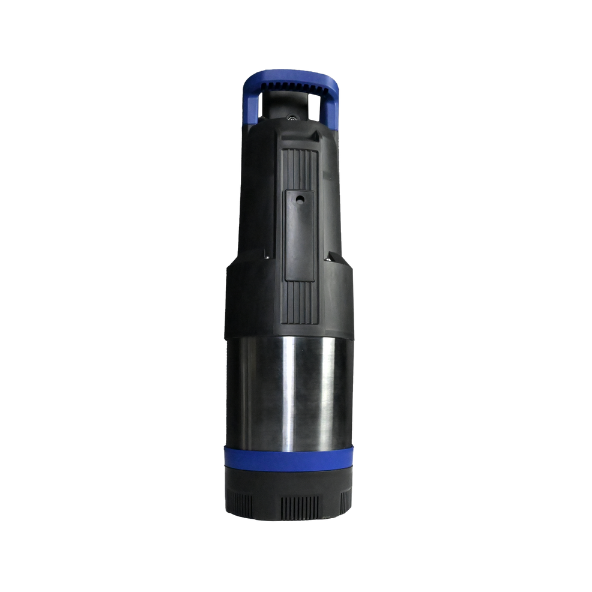
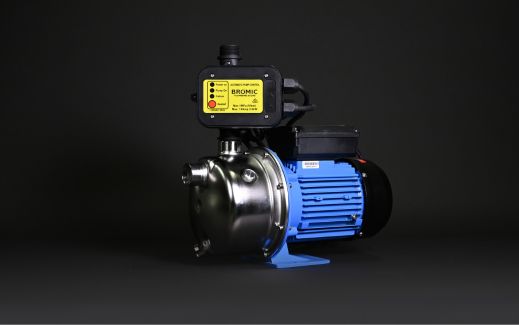
Both surface-mounted and submersible pumps can be used in rainwater applications, depending on the tank and installation. Surface-mounted pumps provide an external setup, while submersible pumps are installed within the tank and can incorporate an integrated controller.
The right option comes back to the site conditions, tank configuration and performance required from the system.
What happens if the pump isn’t correctly sized?
A pump that isn’t suited to the application can result in insufficient flow or pressure, particularly when multiple outlets are operating. Incorrect selection can also contribute to unnecessary energy use, reduced pump life and issues such as cavitation.
Taking the time to check the application’s requirements against the pump’s performance data helps avoid these problems and gives the system the best chance of performing as intended.
Before selecting a pump
Make sure you know:
- How many outlets the rainwater system will supply
- How many may be used at the same time
- What flow and pressure will be required
- If the property is single or two-storey
- Where the tank is located, including the distance and height from the property
- If a surface-mounted or submersible pump is required
For Rain to Mains applications, the Bromic 7575120-2 40L Rain to Mains pump is the most commonly selected option in the Bromic range. Always check the pump specifications and flow chart against the requirements of the individual installation before making a selection.