Account





Favourites
Sign in to your account
By adding to Favourites, you can…
- Save products or resource documents you view regularly
- Save time with quick access to frequently viewed items
Please sign in or create an account to add to your Favourites.


Articles
November 28, 2025
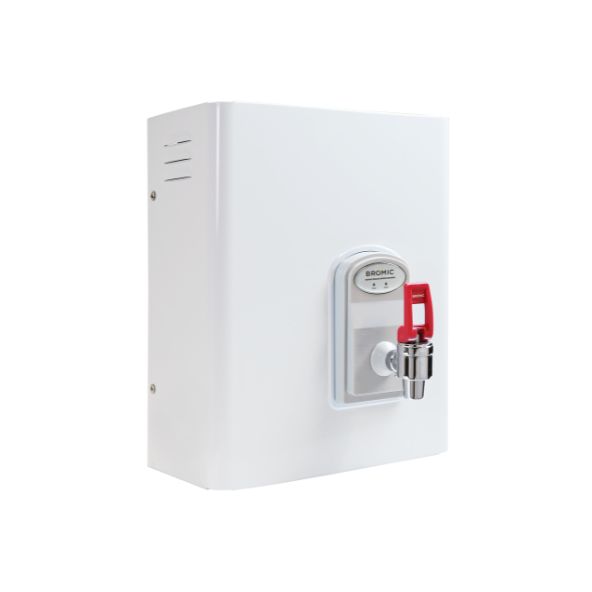
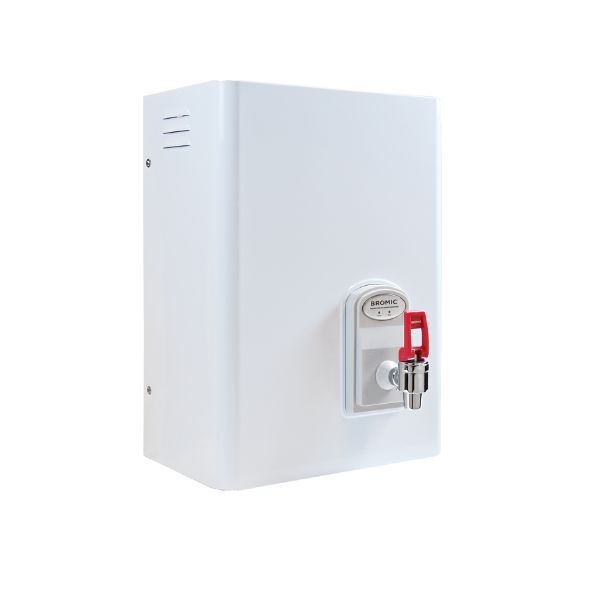
A Guide to Maintaining the Bromic Instant Boiling Water Dispenser
The Bromic On-Wall Instant Boiling Water Dispenser is built for reliability and safety, but just like any appliance its performance depends on how well you look after it, and in this case, the quality of the water running through it.
This guide will explain why water quality matters, how to assess it, and what you can do to protect and maintain your boilers for years of consistent, reliable use.
Why your water quality matters
The water that enters your unit has a lot to do with how efficiently it heats and how long it will last. Making sure your water quality is maintained helps to prevent things like scale, corrosion and biological fouling, all of which can impact performance, cause faults and shorten the lifespan of your unit.
When the water quality isn’t right, the system has to work harder, draw more power and run hotter, which will speed up wear and reduce performance.
Common issues caused by low water quality
- Scale build-up on heating – Minerals like calcium and magnesium form a hard layer that acts like insulation, this slows heat transfer and forces the element to operate at higher temperatures. This then leads to slower heat-up times, higher energy use and early element failure.
- Scale on level probes – Mineral deposits insulate the probes, leading to incorrect level readings, dry-fire risks, nuisance alarms, or unexpected shutoffs.
- Fouled filters and solenoid valves – Sediment, debris and biological growth can block the inlet filter and small valve passages. This can cause problems like reduced water flow, inconsistent filling or valves left partially open, which leads to reduced performance or leaks.
Corrosion of internal components
Aggressive water chemistry (either too acidic, too alkaline or high in chlorides) attacks metal parts like the copper tank, heating element sheath, and valve internals. This can cause leaks, sensor drift and early component failure.
Understanding Water Quality
Bromic defines water quality using the Langelier Saturation Index (LSI), which is a measure of how likely water is to deposit (form scale) or dissolve (corrode) calcium carbonate.
At the unit’s operating temperature:
Normal balanced water: LSI between –0.3 and +0.3
- The ideal range for long-term reliability and efficiency.
Harsh water: LSI outside the balanced band but within warranty limits
- Less than –0.3 or greater than +0.3 (while still ≥ −1.0 and ≤ +0.8).
If you’re unsure of the water quality in your area you can contact your state water authority or local council for advice. It’s best to find out as regular maintenance is especially important in areas with harsh water.
Recommended maintenance for harsh water areas
If you discover that you’re in a harsh water area you should:
- Install an auxiliary filter to protect against sediment and mineral build up.
- Regularly check for residue or calcium carbonate build-up on internal components and clean or replace as needed.
- Have a qualified technician service the unit every six months, including inspection of key internal components such as the inlet strainer and water level sensor.
Servicing Frequency and Best Practices
Regular servicing will keep your on-wall boiler operating safely, efficiently and within warranty requirements.
Safety tip: Always switch off the appliance, disconnect power, shut off the water inlet and allow the unit to cool before performing any maintenance.
Servicing Schedule
| Water Type | LSI Range | Service Frequency |
| Harsh Water Areas | < −0.3 or > +0.3 (≥ −1.0 and ≤ +0.8) | Every 6 months |
| Normal Water Areas | −0.3 to +0.3 | Every 12 months |
During each service
- Qualified technicians only
Servicing must be done by a certified technician to maintain safety and warranty compliance.
- Record your maintenance
Scan the QR code on the service sticker (on the side of the unit) to record maintenance dates and jobs for warranty tracking.
- Inspect level probes carefully
Special attention should be given to the water level probes – follow the instructions in your User Manual for cleaning and reinstallation.
- Check for residue and build-up
Look for excessive calcium carbonate deposits and clean or replace affected parts to maintain efficient operation.
Proper water quality and regular servicing are key to maintaining the reliability and safety of your Bromic Instant Boiling Water Dispenser.
With balanced water and a consistent maintenance schedule, you will get faster heat up times, lower running costs, fewer faults or alarms and a longer component lifespan – all adding up to reliable instant boiling water right when you need it!
For detailed service procedures and warranty terms, refer to the User Manual or contact an authorised Bromic service technician.